
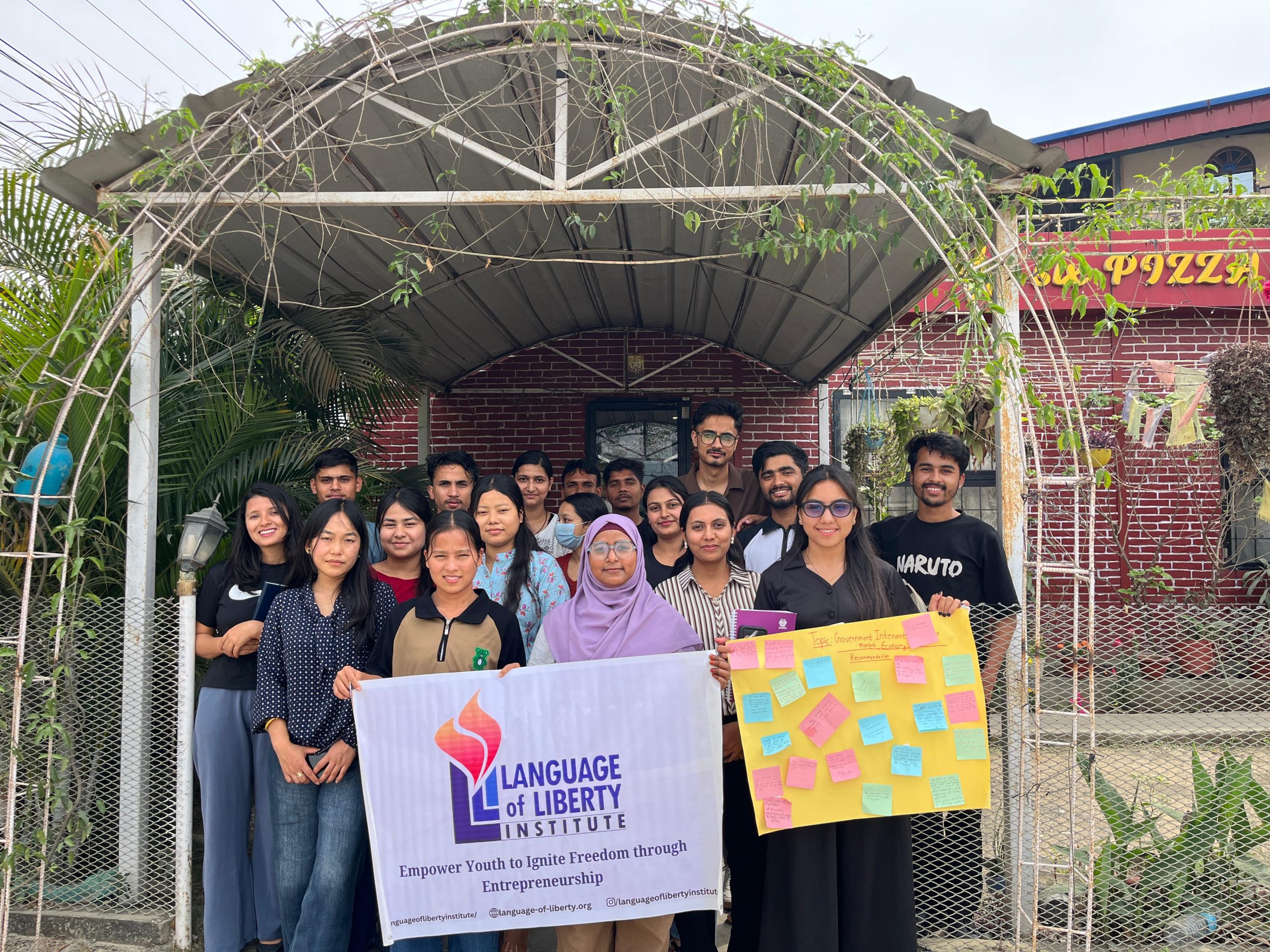
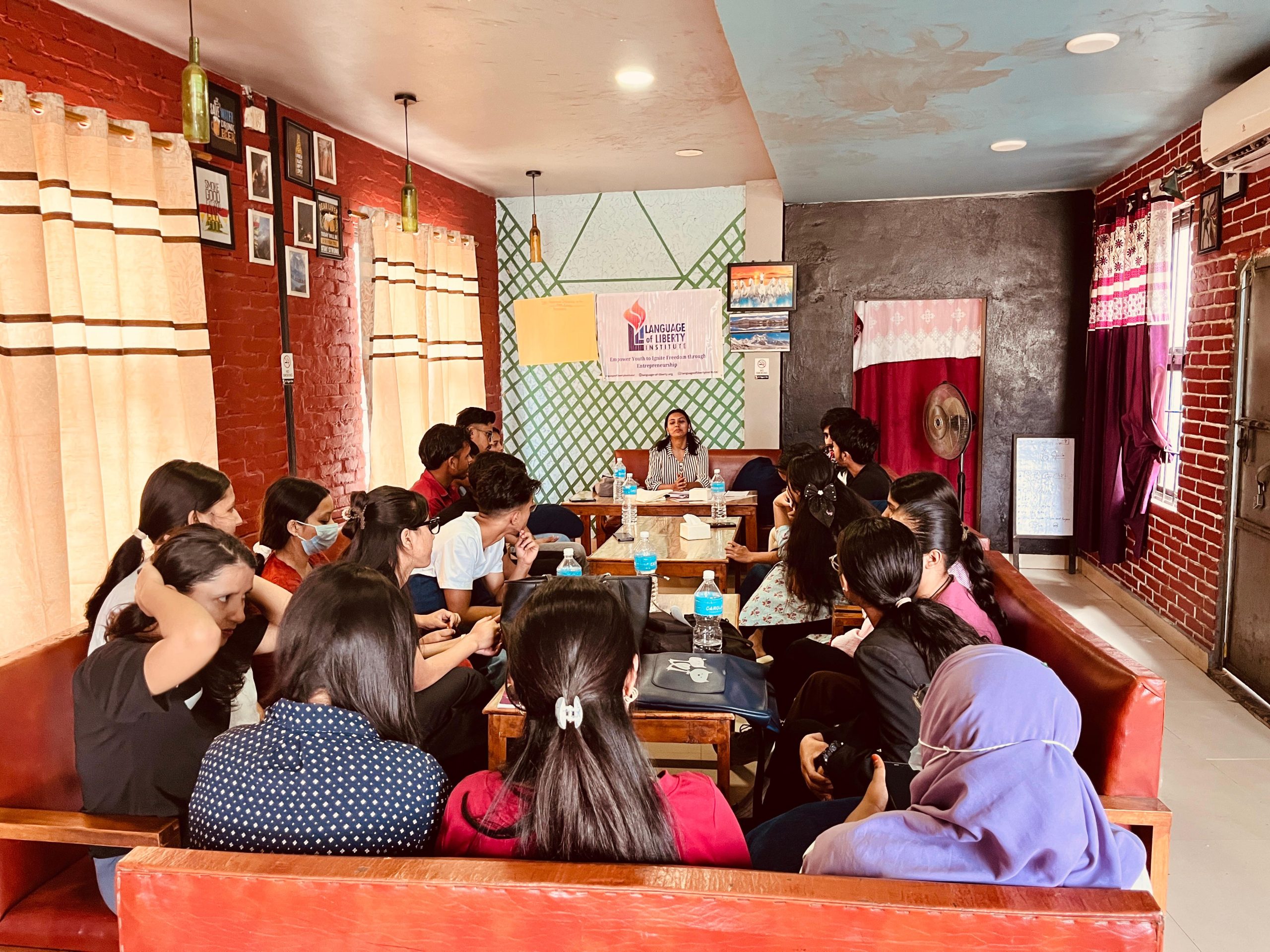
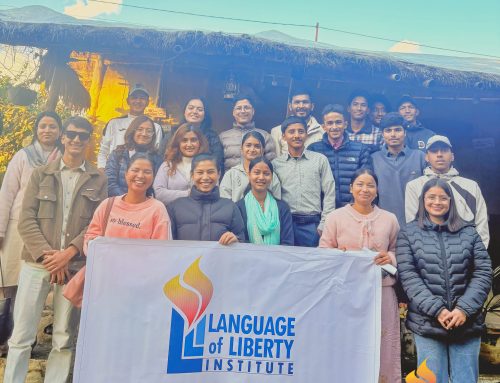
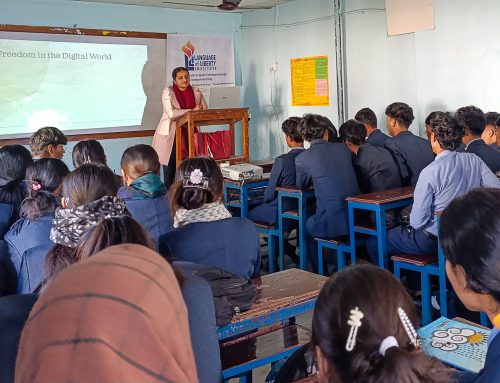
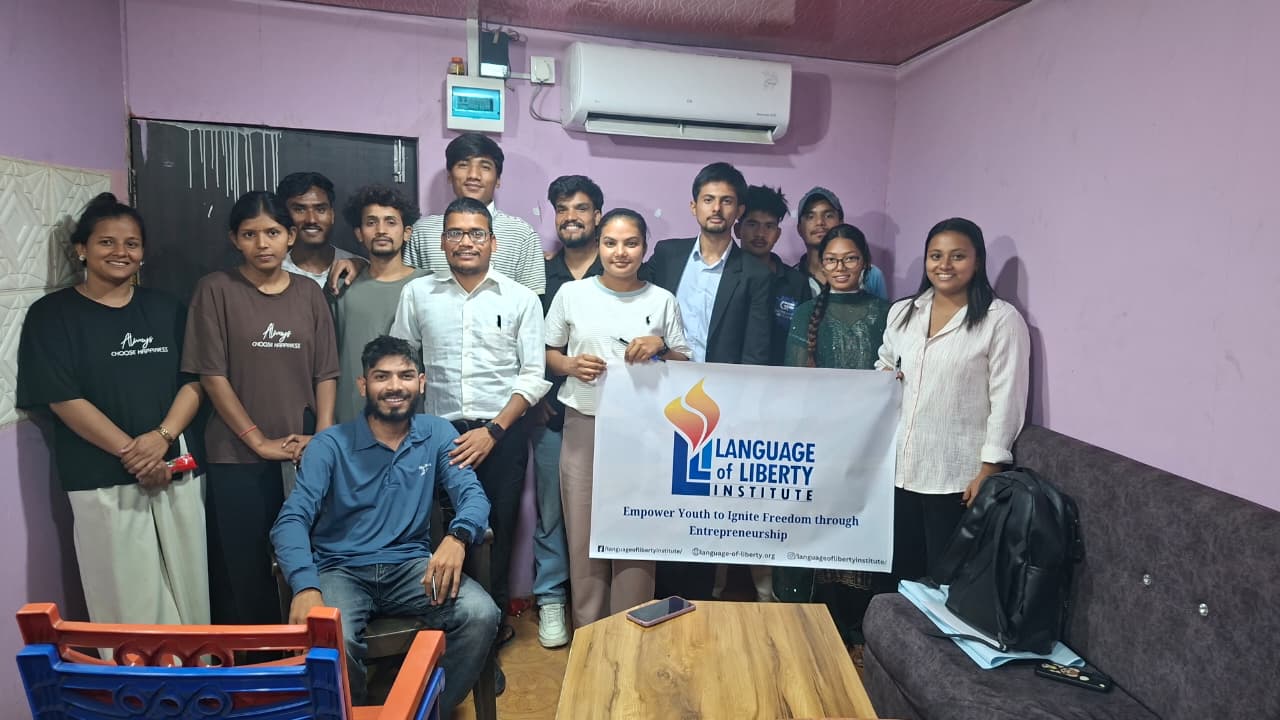
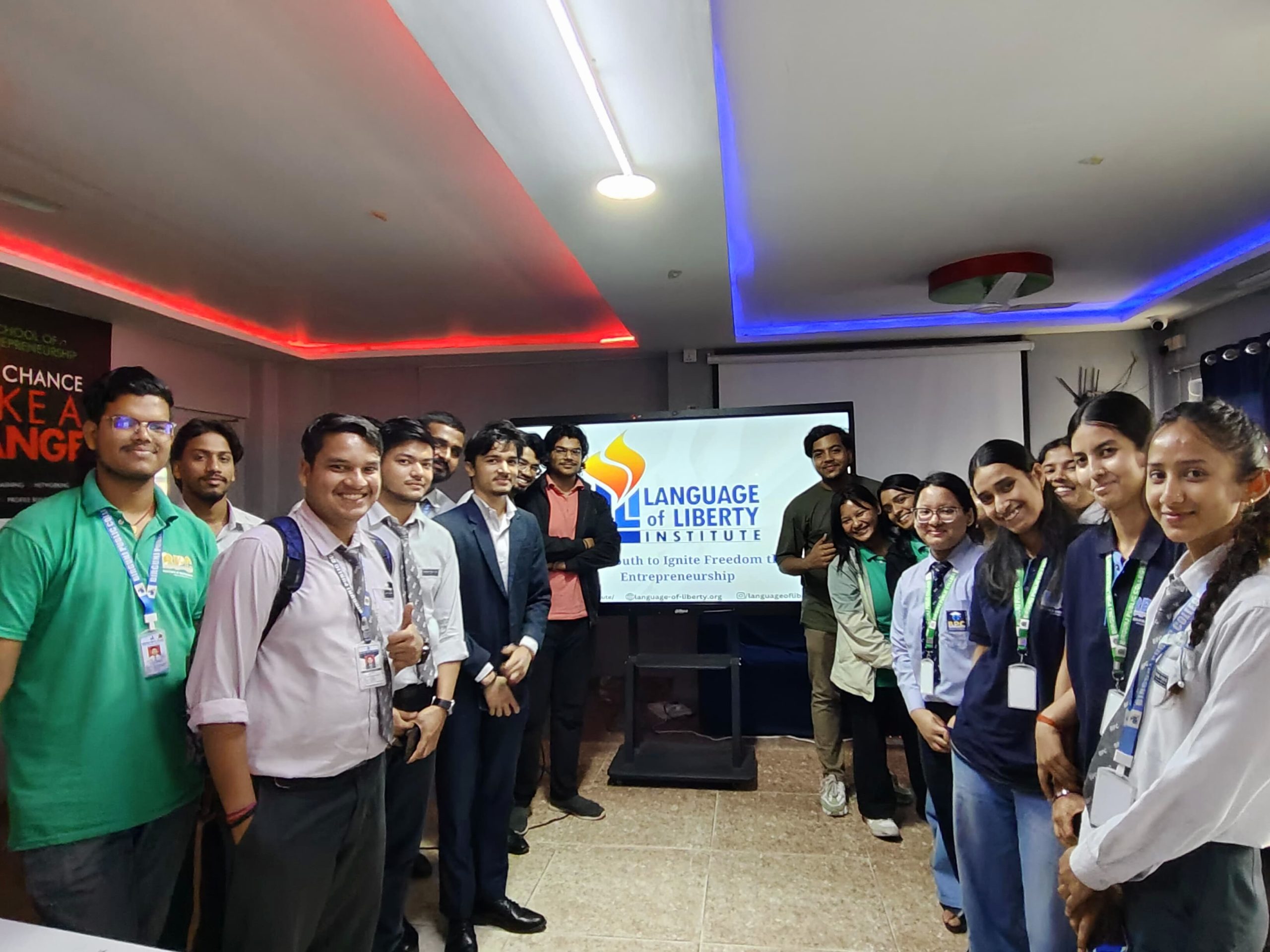
The Language of Liberty Institute organized an engaging and interactive discussion on “Government Intervention in a Free Market Economy,” bringing together 29 participants from diverse backgrounds to explore key economic concepts and their relevance to Nepal. The program aimed to promote critical thinking, open dialogue, and a deeper understanding of free market principles, the role of government, and real-world economic challenges. Throughout the session, participants examined the advantages and limitations of a free market economy, the necessity and impact of government intervention, and contemporary issues affecting Nepalese society, including policy decisions, misinformation, and challenges faced by businesses such as bureaucratic hurdles, limited access to finance, and cartel-like practices in sectors like transport and essential goods.
The discussion created a respectful and inclusive environment where participants freely shared their perspectives, valued diverse opinions, and engaged in constructive dialogue. This exchange of ideas not only enhanced their understanding of economic systems but also strengthened their communication skills, confidence, and ability to think critically and independently. Participants reflected on the importance of maintaining a balance between market freedom and appropriate government regulation to ensure fairness, consumer protection, and economic stability.
Overall, the session proved to be highly productive and insightful, fostering meaningful learning and collaboration among participants. It concluded that a balanced economic approach—where markets operate freely while the government plays a supportive and regulatory role—is essential for sustainable economic development in Nepal. The program successfully created a platform for informed discussion, encouraged analytical thinking, and contributed to the development of responsible and aware individuals capable of engaging with important national issues.



Leave A Comment