
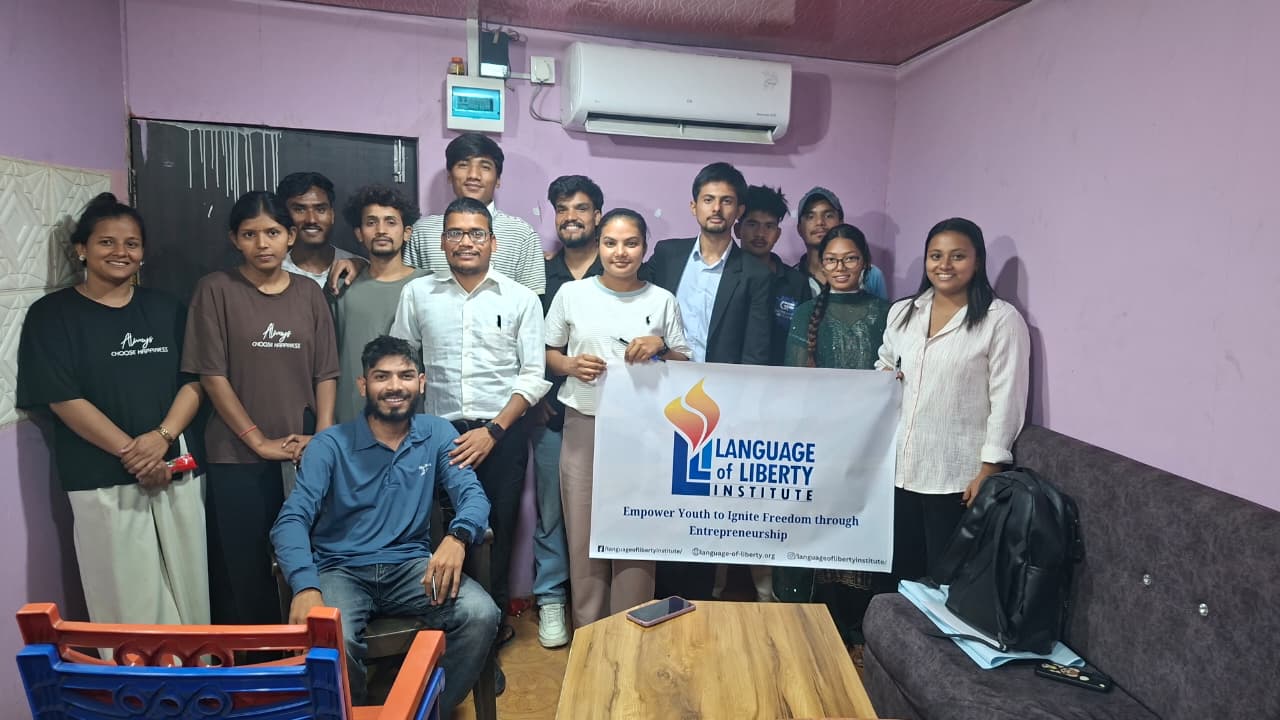
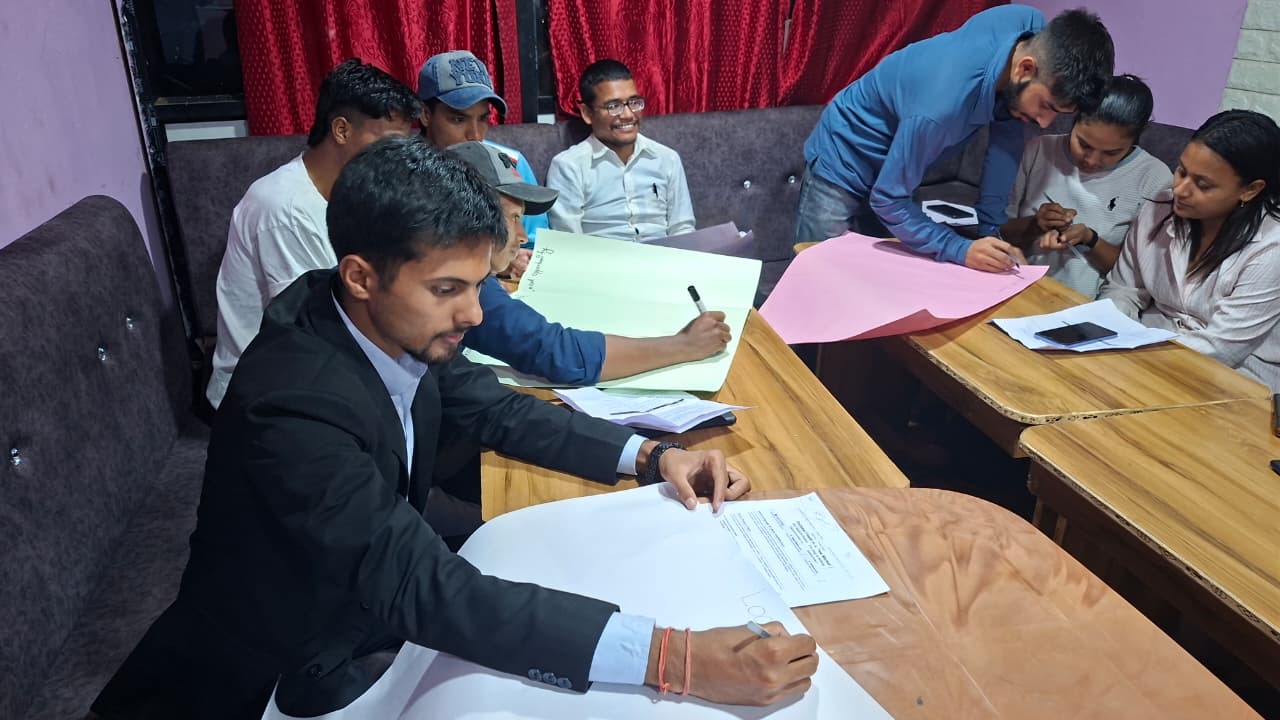
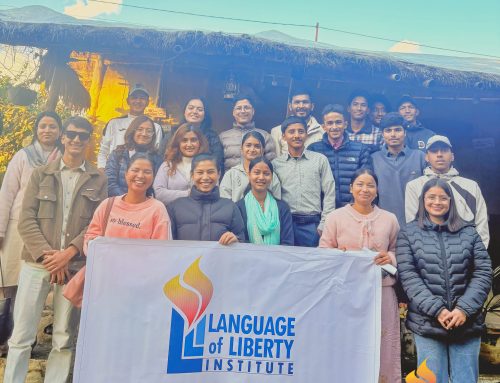
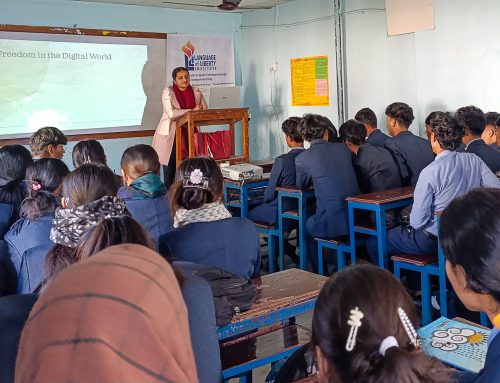
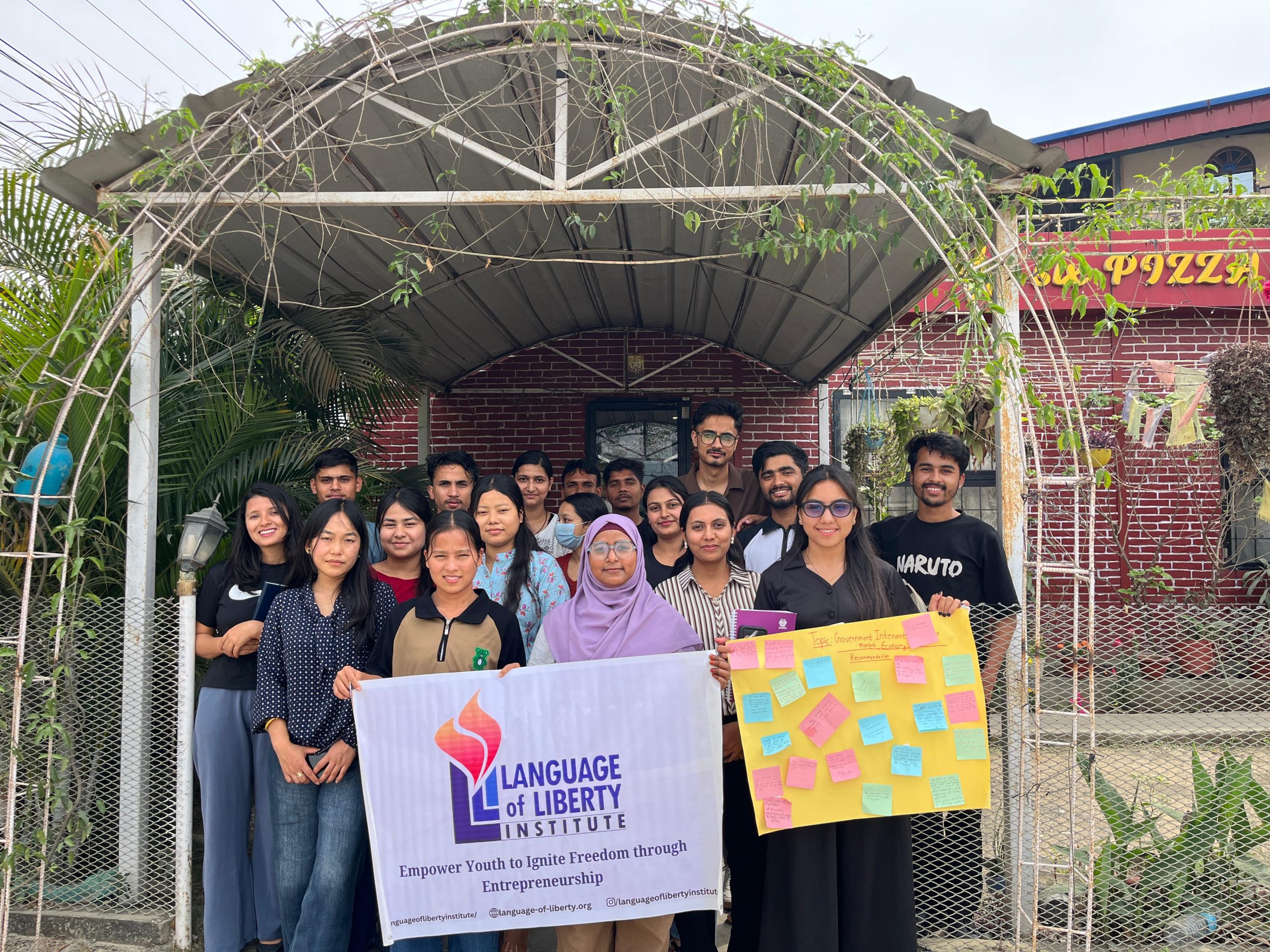
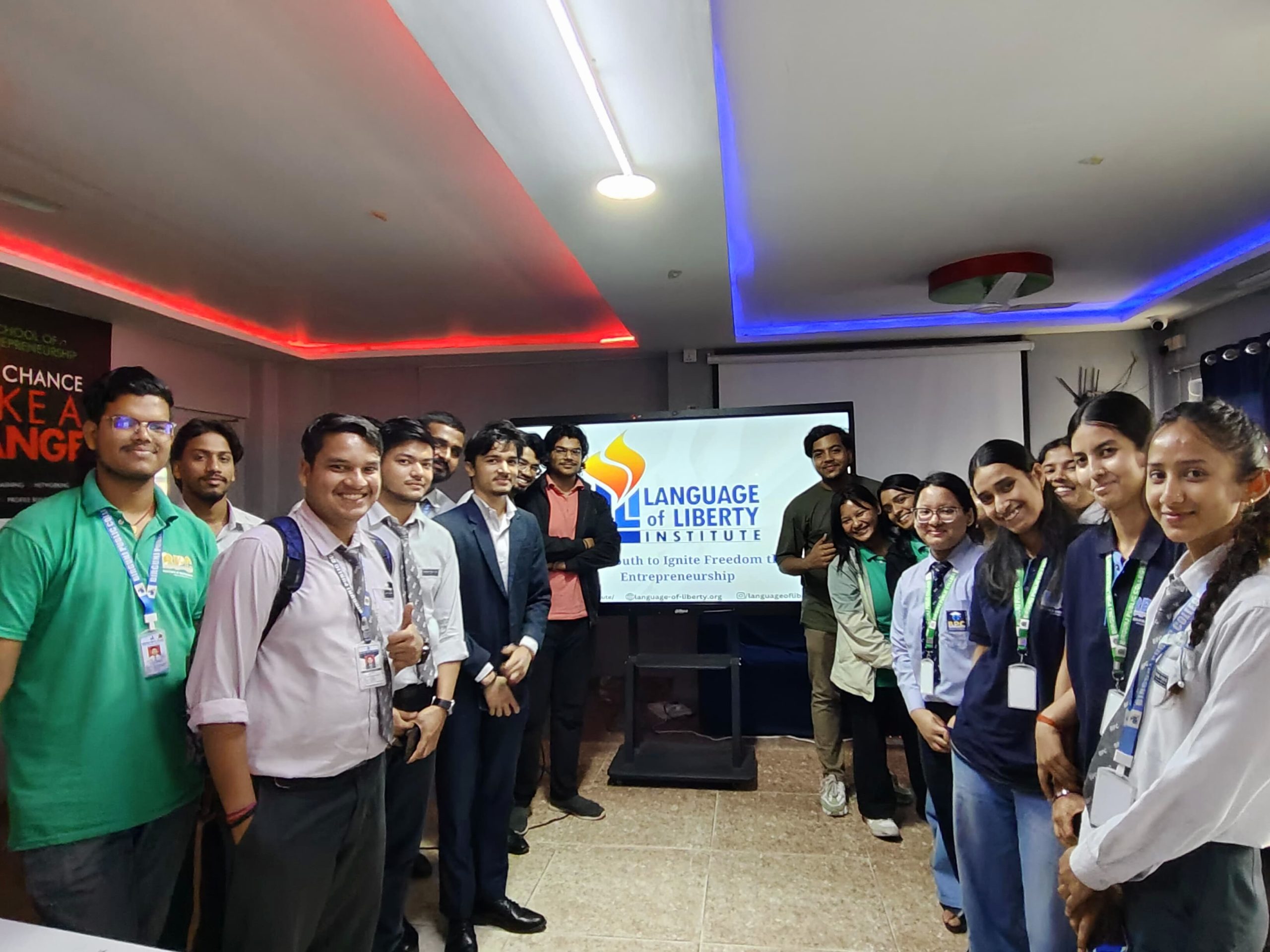
The Liberty Chit-Chat program in Mahendranagar brought together 17 young participants for an interactive discussion on Nepal’s economic environment, entrepreneurship, innovation, and the principles of classical liberalism. Despite a delayed start due to extreme heat conditions, participants remained highly engaged throughout the session, contributing thoughtful insights and personal experiences related to the challenges and opportunities facing young people in Nepal today.
The discussion began with an examination of the current economic landscape. Participants expressed concerns that Nepal’s business environment often discourages creativity and innovation through excessive regulations and bureaucratic hurdles. Many noted that while entrepreneurship is frequently promoted, practical barriers make it difficult for startups to succeed. Examples were shared of innovative businesses struggling to navigate policy restrictions, leading to frustration among aspiring entrepreneurs. Participants also reflected on the prevalence of a job-seeking mindset among youth and emphasized the need to cultivate a stronger entrepreneurial culture.
As the conversation progressed, attendees explored the broader social and policy challenges affecting economic freedom. Participants highlighted the psychological pressures faced by individuals who challenge conventional thinking, including fear of social criticism, reputational attacks, and exclusion. Economic regulations, licensing requirements, and bureaucratic inefficiencies were widely discussed as obstacles that limit competition and innovation. Many participants argued that outdated policy frameworks and unnecessary restrictions create an environment that makes business development more difficult than it should be.
The final phase of the discussion focused on envisioning a freer and more prosperous future for Sudurpashchim and Nepal as a whole. Participants emphasized the importance of continuous public awareness initiatives that encourage critical thinking, individual responsibility, and entrepreneurship. They advocated for reforms that would make it easier to start and operate businesses, including lower tax burdens, simplified registration procedures, and policies that support innovation. The discussion also highlighted the importance of fostering a culture of tolerance, open dialogue, and respect for differing viewpoints as essential components of a free and dynamic society.
One of the most significant outcomes of the event was the strong curiosity participants demonstrated toward classical liberal ideas and their relevance to contemporary economic and social issues. Many attendees expressed interest in learning more about liberty oriented perspectives and requested opportunities for practical skill development alongside future discussions. The event successfully introduced new audiences to concepts of economic freedom, limited government, entrepreneurship, and individual liberty, while encouraging participants to critically examine existing policies and consider alternative approaches to development and prosperity.
Overall, the Liberty Chit-Chat served as a valuable platform for dialogue, learning, and community engagement. By bringing together young people to discuss real-world economic challenges and potential solutions, the event helped foster greater awareness of the role that freedom, innovation, and entrepreneurship can play in creating a more prosperous future for Nepal.



Leave A Comment